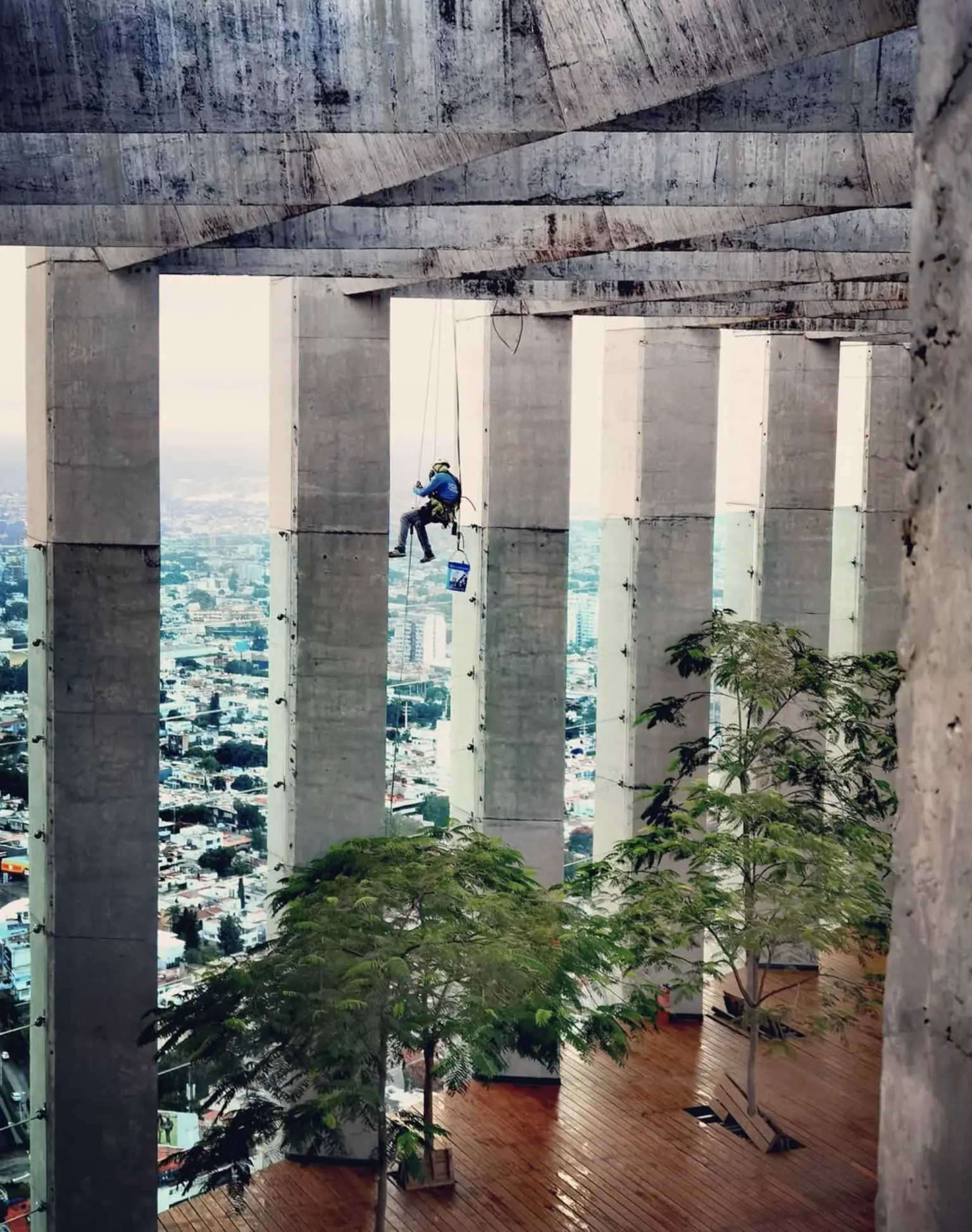
High-rise window cleaning may seem like a normal job but the aspects of window cleaning at height are complex, dangerous and require intense preparation. Between managing hazards, minimising injury risk and complying with industry standards high rise window cleaning services are working in one of the most challenging parts of the cleaning industry. Hiring trained, insured and certified professional cleaners isn’t just smart – it’s essential for a spotless view and the safety of window cleaners themselves.
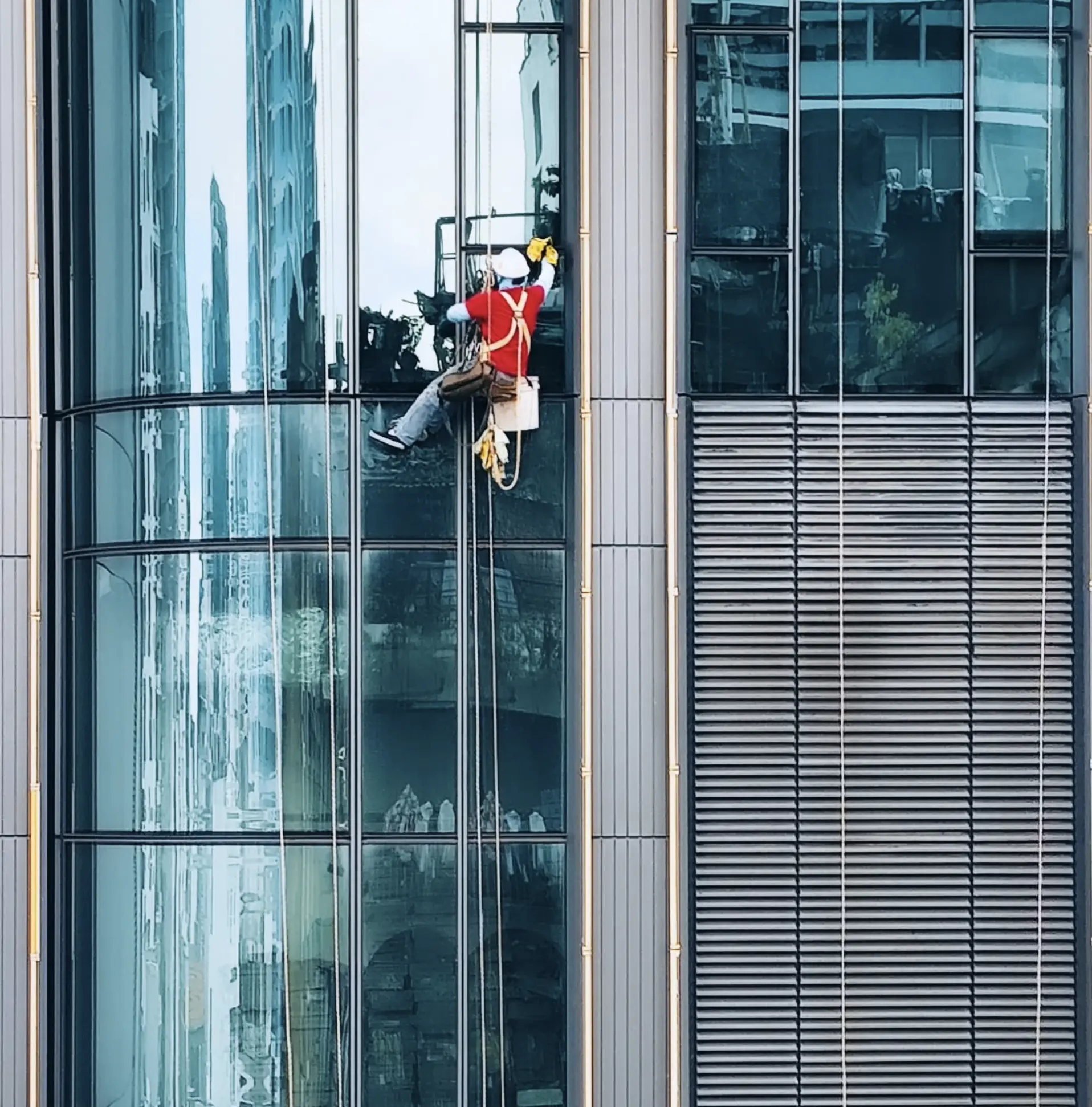
If you’re looking for trusted experts in high rise window cleaning Melbourne hiring professionals means the job is done safely, efficiently and in full compliance with local regulations. But what is the number one hazard faced by professional window cleaners?
The Biggest Hazard: Working at Heights
Clean windows are essential not just for aesthetic appeal but for the structural integrity of both residential and commercial buildings. But behind every crystal clear pane especially on tall buildings or high-rise windows, there’s an often overlooked aspect of window cleaning – safety. Among the many risks involved one hazard stands out – quite literally.
Why Working at Heights is So Dangerous
Unstable Surfaces
Surfaces can get slippery because of cleaning solutions, rain or even bird droppings and is a hazard for anyone working above ground. A shift in ladder feet or using the wrong type of ladder – whether straight ladder or A-frame style step ladder – can increase injury risk dramatically.
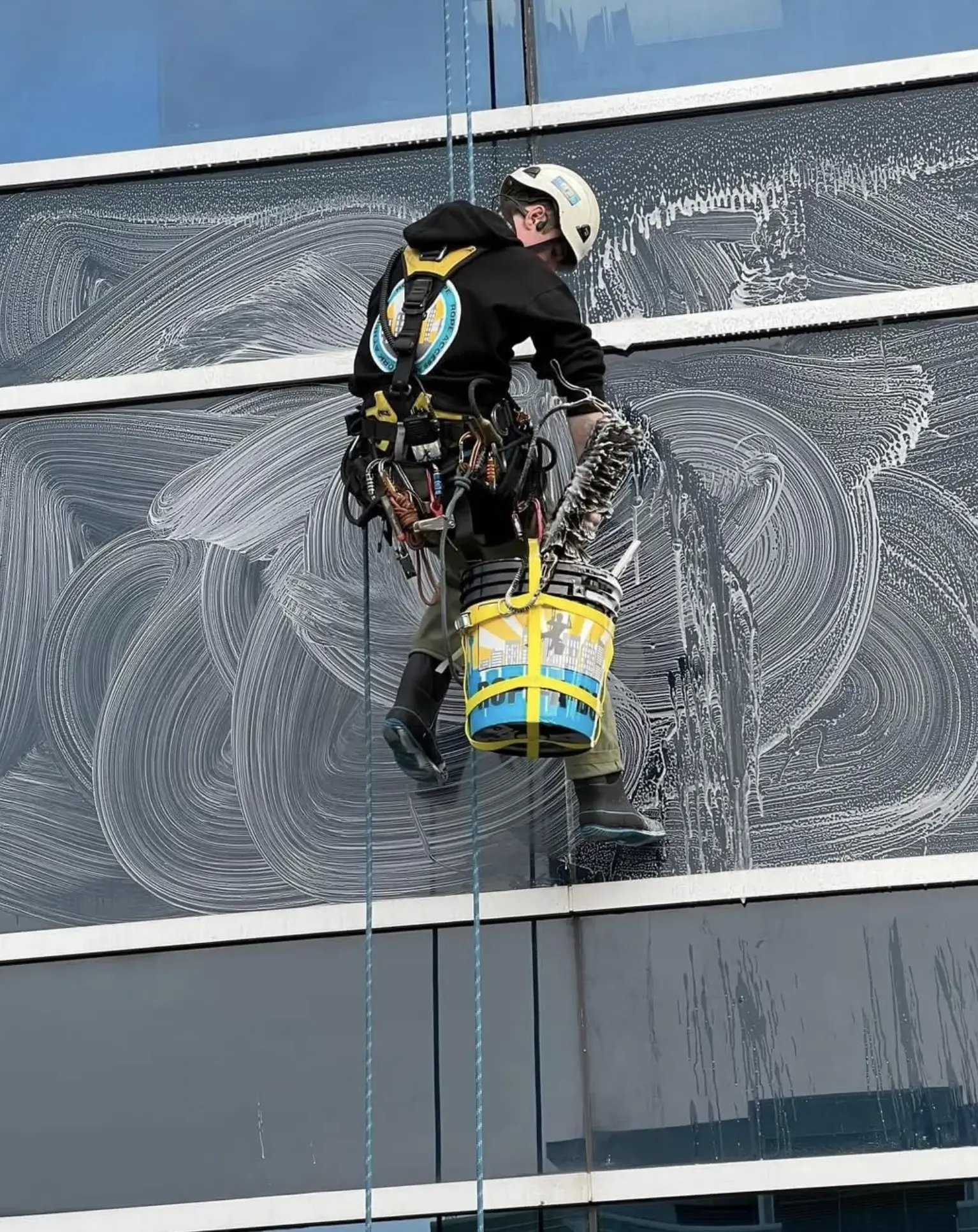
Weather Conditions
Environmental factors like direct sunlight, strong winds or sudden rain increases accident risk. Working above a busy street adds extra risk, especially in populated urban areas.
Human Error
Even with extensive training and proper training on window cleaning tools human mistakes like incorrect harness attachment, misjudging distances or failing to assess surroundings can lead to accidents during window cleaning.
Equipment Failure
Failure of specialised equipment like harnesses, anchors and safety tools can lead to injury or worse. This includes older dish washing machines used in indoor cleaning or malfunctioning tools used by building structure cleaners.
Professional Window Cleaners Stay Safe
Despite these risks, high rise window cleaning services use a combination of safety protocols and best practices aligned to industry standards.
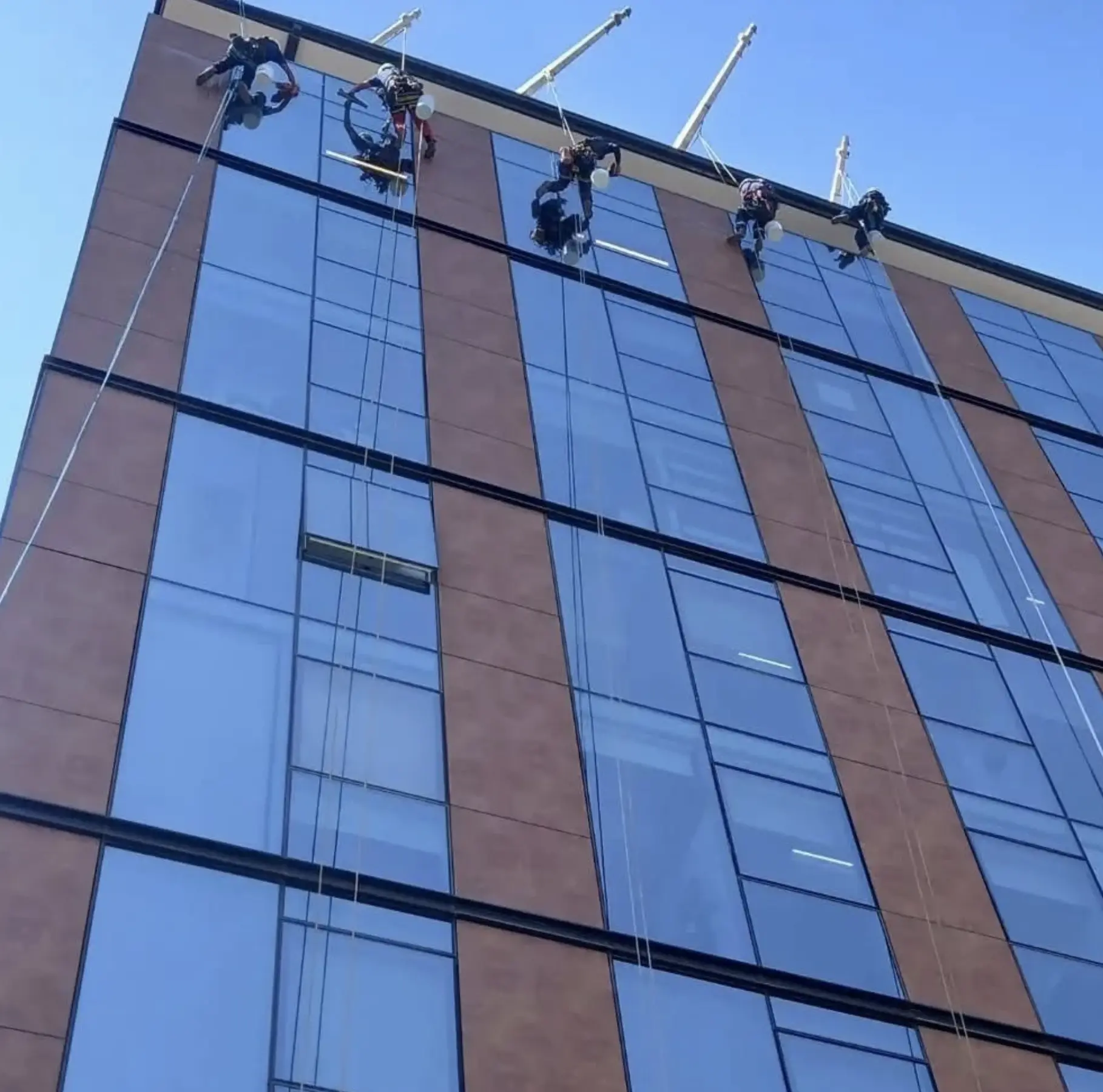
Certified Safety Training
Professionals do a Job Hazard Analysis and get trained in handling hazardous substances, acute hazards and electrical hazards. Knowing hazard statement codes, type of exposure and how to deal with eye exposures or accidental exposures is key, especially with health area disinfectants or advanced window cleaning solutions.
Use of Professional Grade Equipment
From protective equipment to personal protective equipment (PPE) professionals use top-quality gear like window polish, secure harness systems and stable platforms. This reduces moderate risk, minor risk and potential risk associated with the job.
Weather Monitoring
Working hundreds of feet in the air means being weather aware. High-rise window cleaning safety means postponing work if forecasts show potential for irritation hazards like strong winds, extreme heat or lightning.
Regular Equipment Inspections
Before you ascend all gear is inspected regularly. This includes ropes, anchors, window cleaning machinery and PPE. Preventative maintenance eliminates the risk of equipment failure and Aligns with data from the Annals of Work Exposures and Health on reducing workplace injuries.
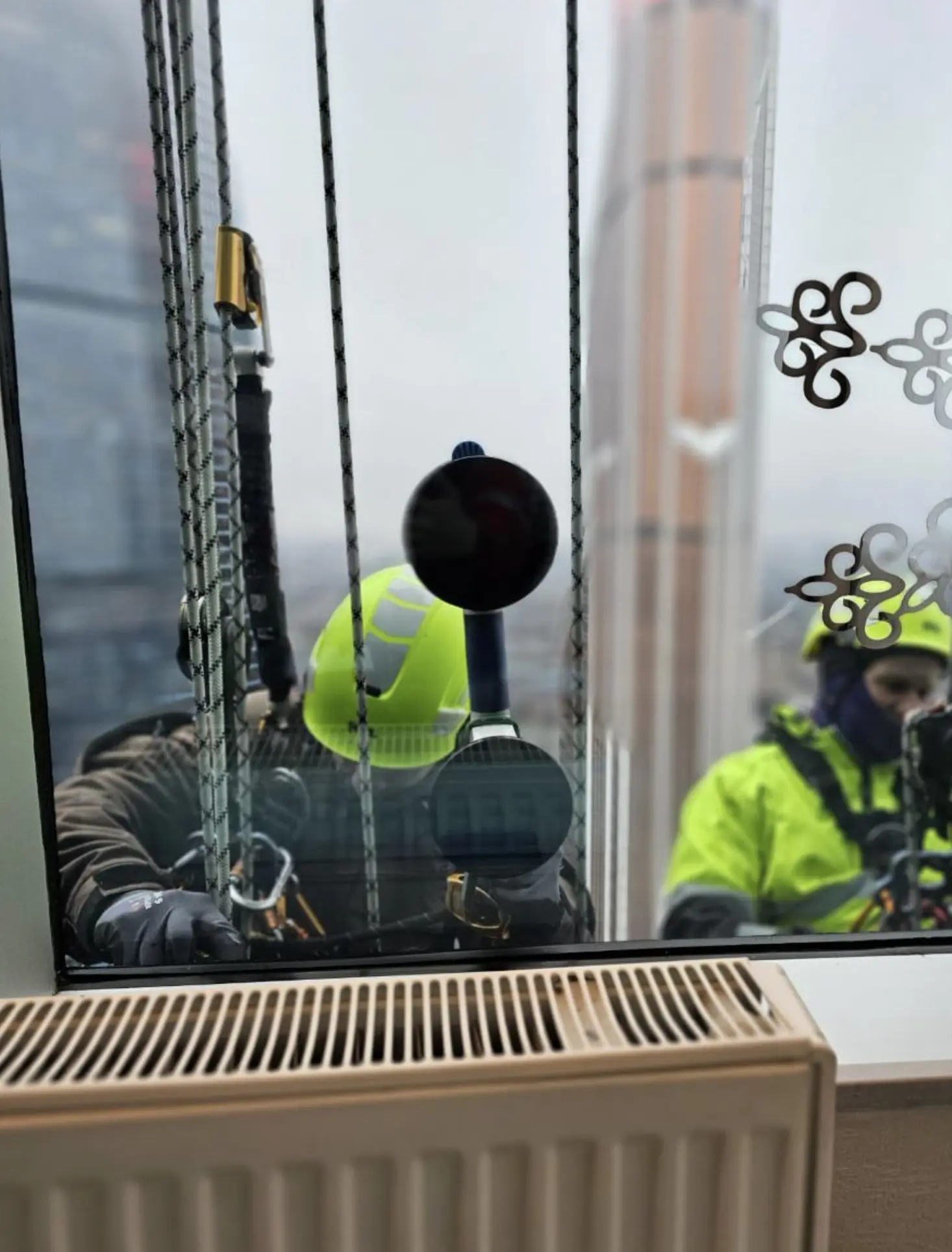
Hiring Professionals Matters
Trying to clean high-rise windows yourself, especially without public liability insurance, proper insurance coverage or specialised equipment can be disastrous. Professional window cleaners not only ensure safety but also protect the public by avoiding accidents during window cleaning that can injure pedestrians.
Plus pros know how to deal with disinfection products, laundry detergent, dishwasher detergents and other chemicals used in modern window treatments and keep public health in mind.
Final Thoughts
In the cleaning industry, the number one hazard for window cleaners, especially high-rise window cleaners, is working at heights. This is a big risk for window cleaning on skyscrapers, commercial windows or any high-rise buildings that require specialized access methods like scaffolding, cherry pickers or rope access.
Whether it’s a routine clean or a deep clean rise window cleaning is risky and requires extensive training, risk assessment and proper insurance coverage.
FAQs
What’s the biggest danger for high-rise window cleaners?
Working at heights presents the most hazards, falls, equipment failure and exposure to harsh chemicals or hazardous substances.
Are there industry standards for high-rise window cleaning?
Yes, the cleaning industry has strict industry standards involving risk assessment, equipment checks and high-rise window cleaning safety protocols to prevent injury or death.
Do window cleaners use protective equipment?
Yes, they do. Protective equipment like helmets, harnesses, gloves and non-slip footwear is essential for high-rise window washers.
Can the weather impact window cleaning safety?
Yes. Wind, rain and direct sunlight increase the risk of accidents during window cleaning especially at heights.
Is insurance important for window cleaners?
Yes. Public liability insurance and proper insurance coverage protect both the cleaner and the client in case of damage or injury.